Mark Farmer
I work where lived experience meets the systems that shape mental health care.
Lived experience practitioner, chair and advisor. Based in Leicestershire, working across the NHS, the Royal College of Psychiatrists, government and the voluntary sector.
My work sits where these overlap. I help organisations make decisions with the people those decisions affect, from the very start.
About me
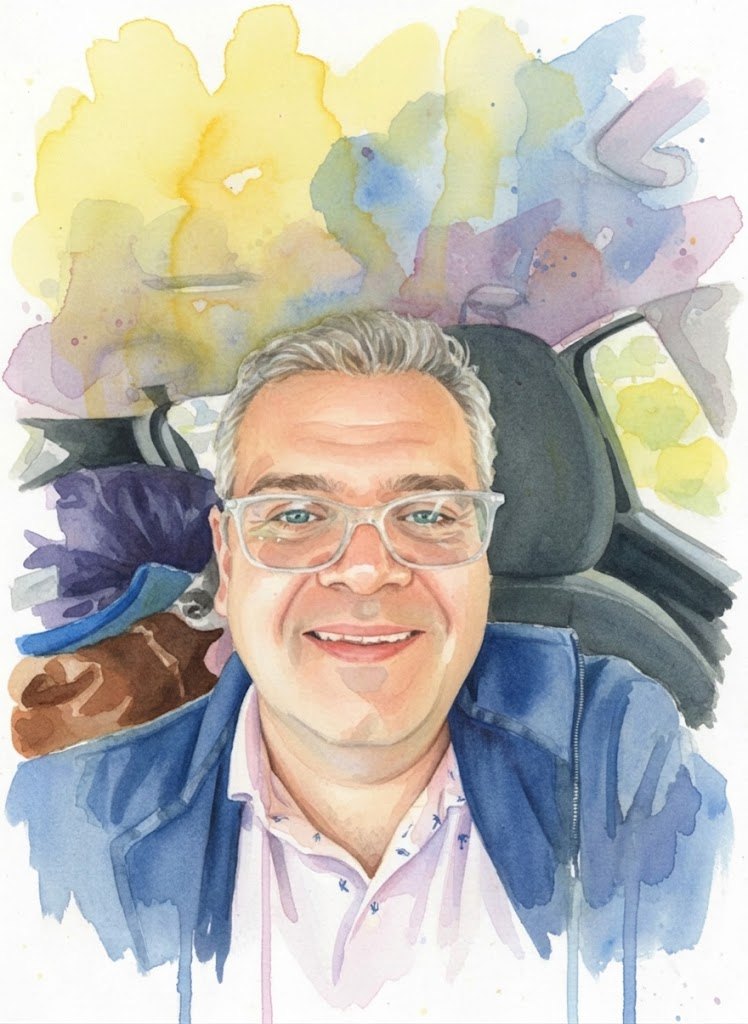
I’m a lived experience practitioner. My work sits in the space between people who use mental health services and the organisations that plan, run and oversee them. Those two worlds don’t always find it easy to talk to each other, and much of what I do is help them try.
Before this, I worked in politics and policy. It taught me how decisions really get made, and why it matters so much who is in the room when they are.
Locally, I work with Leicestershire Partnership NHS Trust, where I chair the People’s Council and Spectrum, the Trust’s LGBTQ+ staff network. Nationally, I’m a patient and carer representative at the Royal College of Psychiatrists, a lead assessor for its Enabling Environments award, and a member of the advisory group for the Department of Health and Social Care’s Suicide Prevention Pathfinders Programme. I also co-lead the Neighbourhood Workstream of the Serious Mental Illness Modern Service Framework, and I chair Fibromyalgia Friends Together, a charity that supports people living with fibromyalgia across the UK.
Intersectionality and equity sit at the heart of my work. Nobody experiences services, or discrimination, through just one part of who they are. When racism, ableism, homophobia, transphobia and poverty meet in the same life, their effects build on each other, and the people living with that are often the first to be let down. Kimberlé Crenshaw gave us the word intersectionality for this, and I still find it one of the most useful ideas there is for understanding who gets missed and why.
Equity, for me, goes further than treating everyone the same. It means asking who isn’t in the room, whose needs nobody planned for, and who pays the price when a system is built around the people it already serves well. I take those questions into every board, committee and project I’m part of. It’s also why this site is built around overlapping circles.
Whatever the setting, I try to bring the same things: honesty about what isn’t working, warmth towards the people trying to put it right, and a firm belief that lived experience is expertise.
Where I work
My current roles, nationally, in Leicestershire and in the voluntary sector.
Nationally
- Patient and carer representativeRoyal College of Psychiatrists
- Lead assessor, Enabling EnvironmentsRoyal College of Psychiatrists
- Advisory Group memberSuicide Prevention Pathfinders Programme, Department of Health and Social Care
- Co-lead, Neighbourhood WorkstreamSerious Mental Illness Modern Service Framework
- Associate visiting lecturerUCL Postgraduate Diploma in CBT for Serious Mental Illness
In Leicestershire
Leicestershire Partnership NHS Trust
- Lived Experience Practitioner
- Chair, People’s Council
- Chair, SpectrumThe Trust’s LGBTQ+ staff network
- Lead Advisor, Culture of Care Programme
In the voluntary sector
- Chair and TrusteeFibromyalgia Friends Together, a charity working across the UK to support people living with fibromyalgia. Registered charity 1210681.
Previously: Member, Board Quality Committee, NHS England.
How I work
A few principles run through everything I do.
Lived experience is expertise
People who use services know things that can’t be learned any other way. That knowledge should shape decisions from the beginning, with proper support and fair recognition for the people sharing it.
Trauma-informed, always
Safety, choice, trust and collaboration matter in a committee room as much as on a ward. The way a decision is made is part of the decision.
Equity sees the whole person
Race, disability, sexuality, gender identity, class and neurodivergence don’t arrive one at a time. Anti-racist practice, and good practice generally, has to notice how they overlap.
Accessible from the start
Clear language, predictable formats and reasonable adjustments should be standard. I build them in early, drawing on autism-informed practice and the social model of disability.
Research, teaching and writing
In 2025 I co-authored my first peer-reviewed research article. It’s a scoping review of how institutional abuse, neglect and harm show up in UK community mental health services, and it was conceptualised, led and written by researchers with lived experience of those services.
Edwards, B.M., Meudell, A., Thomas, E., Broeckelmann, E., Roberts, E., Farmer, M., Ghafoor, N., Markham, S., Robinson, C.A., Sweeney, A., Carr, S. and Clark, M. (2025) Institutional abuse, neglect and harm in UK community mental health services: a scoping review of the peer-reviewed evidence. Health Expectations, 28(5).
I’m an associate visiting lecturer at UCL, where I co-deliver a co-produced session on the Postgraduate Diploma in CBT for Serious Mental Illness. It looks at what people who use services want from practitioners, and how practitioners can avoid causing further harm.
I’m also co-authoring chapters of a Culture of Care toolkit on relational team working, covering its guiding principles and how teams can create the conditions for it to take root.
Working together
I’m glad to hear from NHS organisations, universities, charities and event organisers. People usually get in touch about:
- lived experience input on boards, committees and advisory groups
- designing co-production and engagement that people can trust
- reviewing policies and documents for equity and accessibility
- teaching and training for clinical and non-clinical staff
- talks, panels and workshops
If you’re not sure I’m the right person, ask anyway. If I’m not, I’ll happily point you to someone who is.
Get in touch
Email is the best way to reach me.
mark@markfarmer.org.ukIf you’d like information in a different format, or would prefer to talk another way, just let me know.